
7 Reasons Bullied Children Almost Never Tell Their Parents (And How To Spot It Anyway)
By Jennifer Hayes — Family & Child Development Writer · Mother of two
If you've ever had that quiet, gut-level feeling that something is wrong with your child but they swear "everything is fine" — please don't dismiss it. After speaking with school counselors, child psychologists, and dozens of adults who were silently bullied as kids, one truth keeps surfacing: bullied children almost never tell. Not their parents. Not their teachers. Not even their best friend. Here are the seven reasons why and the seven quiet behaviors that show you the truth their words won't.

01
They become "too good." Almost invisible.
This one breaks parents' hearts the most when they realize it. A bullied child often gets quieter, more compliant, more well-behaved because they've learned that being noticed is dangerous. They stop asking for things. They stop arguing. They eat what's served. They go to bed without a fight. Parents who don't know better feel proud. "He's matured so much." No. He's shrinking. He's making himself smaller and smaller in the hope the world stops noticing him. That isn't growth. That's survival. And it's the single clearest signal something is very wrong.
02
The lunchbox keeps coming home full.
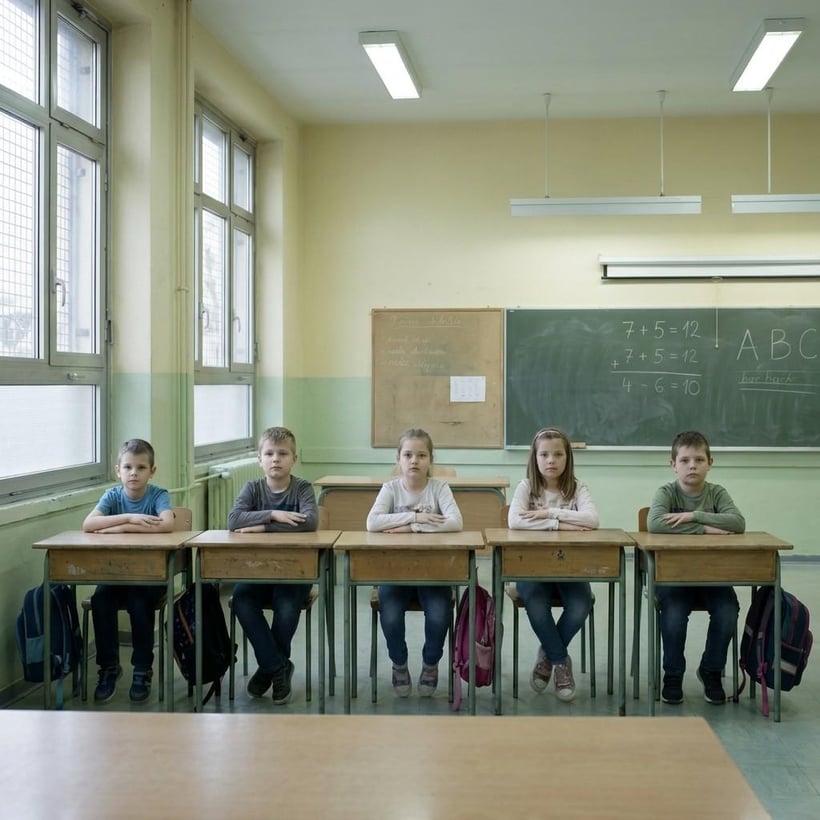
The cafeteria is the most dangerous twenty minutes of a bullied child's day. Loud, unstructured, supervised by adults watching forty kids at once. Bullied children stop eating their lunch — sometimes because it's being taken, sometimes because they're hiding in a bathroom stall to avoid sitting alone, sometimes because anxiety closes their stomach completely. If their lunchbox keeps coming home untouched and they say "I wasn't hungry" it's almost never about hunger.
03
They're terrified of two things — and both keep them silent.
Bullied children stay silent for two specific reasons, and almost every single one of them. First: fear of retaliation. If I tell, the bully finds out, and tomorrow is worse. Second: fear of the parent overreacting. If Mom calls the school, everyone will find out I told, and I become the problem. Both fears are rational. Both make adult intervention feel more dangerous than the bullying itself. So the child stays quiet, the bullying continues, and the parent only finds out months sometimes years — later, in hindsight. Silence isn't a personality trait. It's a survival calculation.
04
Their belongings keep coming home damaged.
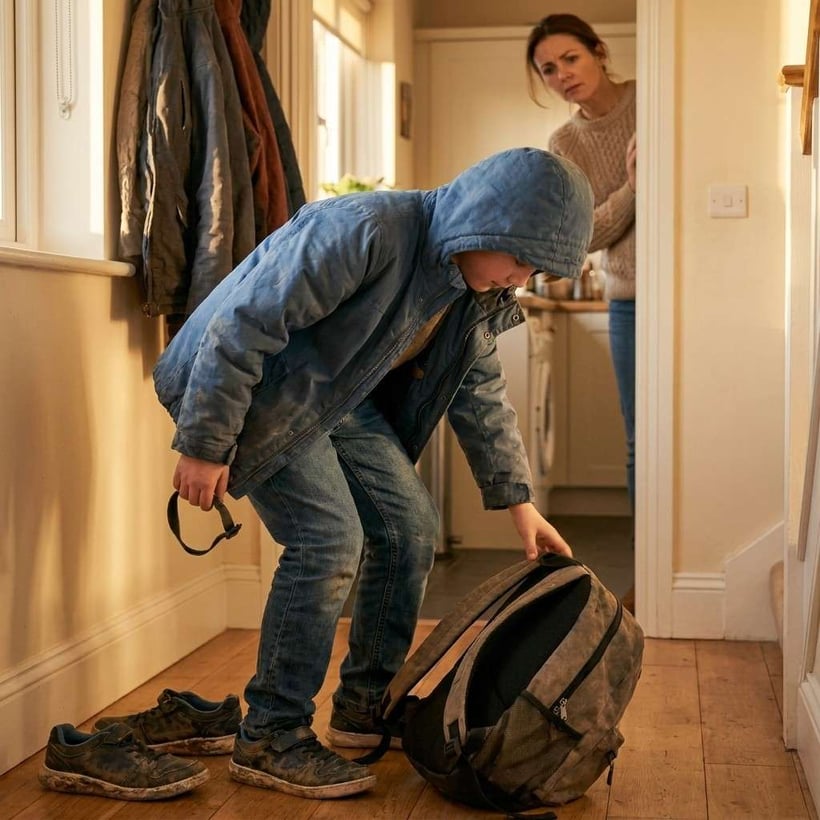
A backpack with a torn strap. A jacket with a missing button. A water bottle with a crack. "I don't know what happened, it just broke." Bullies destroy things — sometimes openly, sometimes secretly, sometimes by tripping a kid and laughing at the result. Children almost never report it because of those same two fears. The items keep breaking. The stories keep getting vaguer. And nobody connects the dots until much, much later. Pay attention to the volume of "accidents." It's almost never coincidence.
05
The self-deprecating jokes have stopped sounding like jokes.
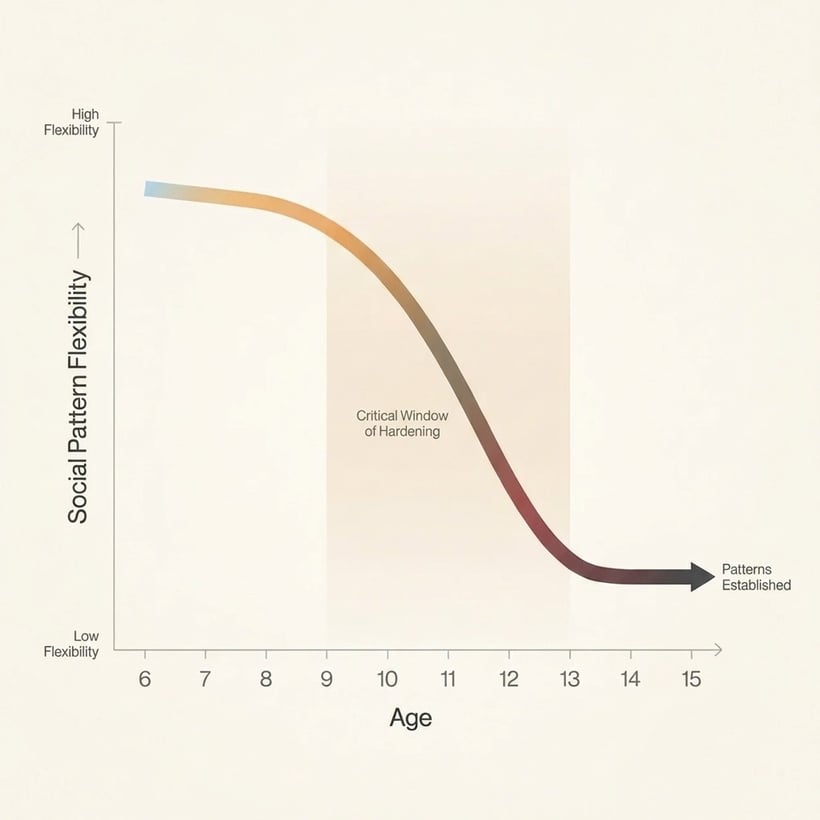
"I'm so weird." "Nobody likes me anyway." "I'm the worst at everything." Said with a smile. Said as a punchline. Said often enough that the parent stops noticing. Bullied children adopt their bullies' language. They start saying it about themselves before anyone else can — because it hurts less when they say it first. By the time those phrases become daily, the bullying isn't only happening at school. It's happening inside their own head, twenty-four hours a day. And that's the kind of damage that follows them into adulthood unless something interrupts the loop.
06
The pattern that interrupts the loop is the same in every story we've heard.
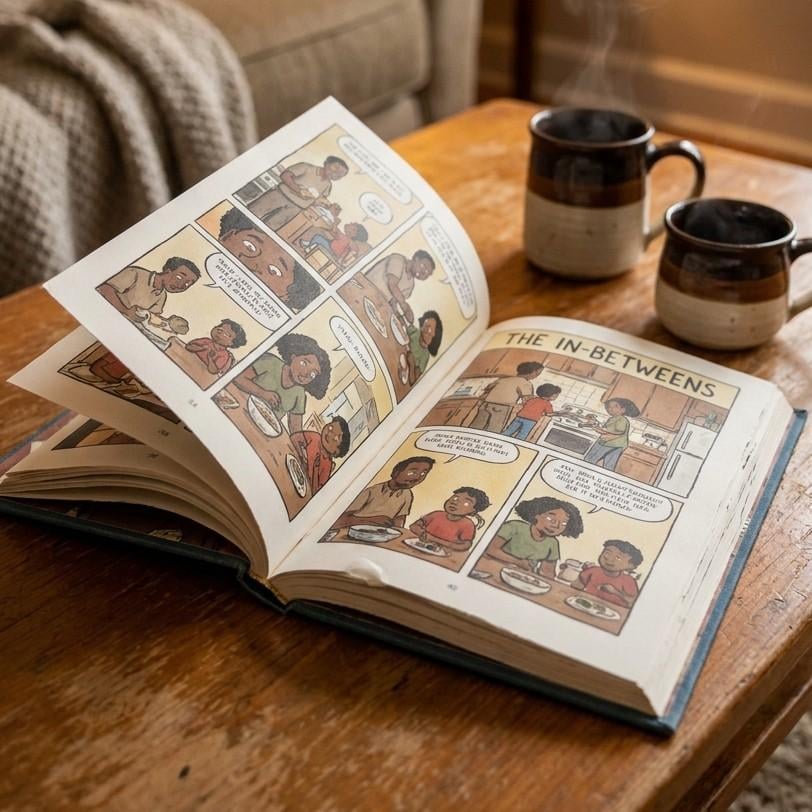
This is the part that brings parents the most relief. Across thousands of families, the same story keeps repeating: a parent quietly leaves a comic-illustrated field guide to social dynamics on the table — no lecture, no announcement — and within two weekends the child has read most of it on their own. "My daughter had been quieter for months. I didn't know it was bullying until I read this book myself, then noticed how many of the signs matched. She read the whole thing in three days. Two weeks later she came home and told me — for the first time — what had been happening." — Margaret L. (Texas). With 4.9/5 stars across 10,839+ ratings, this isn't an exception. It's the pattern.

07
The only real risk is waiting another month.
Every order ships with a 30-day "if your child doesn't reach for it on their own, full refund — no questions asked" guarantee. Less than 1% of parents ever claim it. You don't need to convince your child of anything. You don't need to have a difficult conversation. You leave the book where they can find it. If within 30 days nothing changes, you send it back. The decision isn't "is this worth $40?" It's "is this worth one month of waiting to see if it works?" Every week of inaction is another week the silent damage keeps compounding.
Murphy's Law: Life Principles for Children
4.9
/ 5 — based on 10,839+ ratings
Murphy's Law isn't a self-help book. It isn't an affirmation book. It isn't another "everyone is special" picture book. It's a comic-illustrated field guide to how the world actually works — written in language a 7-year-old can follow and a 14-year-old can't put down. Nearly 100 real-life principles about people, power, emotions, and the unwritten rules nobody bothered to explain to your child.
"He sees people now. That's the difference."
— Margaret L., Mom of two (Texas)
🎁 EASTER OFFER — Today Only:
Murphy's Law: Life Principles for Children — Authentic Orvani Edition
Free worldwide shipping
30-Day "if your child doesn't pick it up on their own" money-back guarantee
***⚠️Only authentic Orvani edition — beware of cheap replicas***